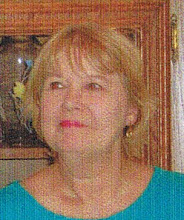
A lot of new MTs believe that when they graduate from a medical transcription course, the certificate they receive for completing the course makes them a CMT (certified medical transcriptionist). This is not true. Some of the eligibility requirements for becoming a CMT are:
1. You must have two years of actual medical transcription experience in acute care or the equivalent. Acute care includes ESLs(English as a second language), many different report types and some of the major and minor specialties.
2. You will take the AAMT (American Association for Medical Transcription) CMT exam that consists of medical transcription knowledge and performance items. There are testing centers where you will go to take the test. Check with AAMT for their specific guidelines and fees for the testing.
3. Your certification is valid for three years. After that time you must recertify by paying a recertification fee and earning a minimum of 30 continuing education credits in the required categories.
Check with AAMT for more information on eligibility requirements.
Becoming a CMT can sometimes bring you a larger rate of pay. It recognizes you as being an experienced and qualified professional in your field. It is a badge of honor for yourself and your accomplishments.
It is not necessary to be a CMT to be a medical transcriptionist. I am not a CMT and I have never been without work as a medical transcriptionist. It is something you can work towards for your own satisfaction and will overall benefit you in your career.
Marilyn Roberts
Medical transcriptionist
Friday, January 25, 2008

Monday, November 5, 2007
How I Became A Home Based Medical Transcriptionist
As you probably know, there are many home based businesses out there and I wanted to work at home. I wanted a job, a real job that I could do at home. For years I worked in banking as a teller on up to Operations Officer. After 10 years of fighting Houston traffic, putting on makeup while half asleep, and putting on pantyhose (ugh!) every day, I finally decided I had had enough of the rat race. I wanted a job where I could work in my bathrobe if I wanted to (and no pantyhose allowed) every day and still make a living. So I started exploring possibilities and finally found something that interested me, medical transcription. It sounded too good to be true to get to work at home doing important professional work. I was a little skeptical but I decided to give it a try and took the plunge by taking a medical transcription course. This was a correspondence course that I could do at home at my own pace.
It took me about six months and I finally finished the course and was ready to try to actually do medical transcription from home. Then it hit me! Would I really be capable, even after taking a course, of transcribing real dictations on real patients? What if I couldn't get all of those drugs right? The "take 1 po bid or prn or t.i.d. or q.h.s." I was really petrified to start. Luckily I had taken a good MT course and was prepared to try it.
The first place I decided to look for an MT job was in the newspaper and I lucked out by seeing an ad in my neighborhood for a medical transcriptionist. I set up an interview and took a transcription test. I did leave some blanks in the transcription but I got the job.
I started working in a clinic for 5 doctors and eventually the medical transcription business that hired me decided to work in another capacity for the clinic and I took over all of the transcription and started my own business.
I eventually added another clinic to my business and hired medical transcriptionists to work for me in typing for both of those clinics.
Medical transcription is not the easiest job in the world as it requires a lot of time at the keyboard and it does require medical transcription training, but it has been very fulfilling for me. It definitely is a real job and I get a real paycheck every two weeks.
If you decide you might want to become a medical transcriptionist, visit Career Step and you can have an information packet sent to you describing the courses and training you can receive through their medical transcription and medical billing school. The course can also be done online which makes it convenient for a lot of people.
If you have any questions about medical transcription you can email me at maryjanetx@aol.com and I will try to help you.
Marilyn Roberts
Medical Transcriptionist
It took me about six months and I finally finished the course and was ready to try to actually do medical transcription from home. Then it hit me! Would I really be capable, even after taking a course, of transcribing real dictations on real patients? What if I couldn't get all of those drugs right? The "take 1 po bid or prn or t.i.d. or q.h.s." I was really petrified to start. Luckily I had taken a good MT course and was prepared to try it.
The first place I decided to look for an MT job was in the newspaper and I lucked out by seeing an ad in my neighborhood for a medical transcriptionist. I set up an interview and took a transcription test. I did leave some blanks in the transcription but I got the job.
I started working in a clinic for 5 doctors and eventually the medical transcription business that hired me decided to work in another capacity for the clinic and I took over all of the transcription and started my own business.
I eventually added another clinic to my business and hired medical transcriptionists to work for me in typing for both of those clinics.
Medical transcription is not the easiest job in the world as it requires a lot of time at the keyboard and it does require medical transcription training, but it has been very fulfilling for me. It definitely is a real job and I get a real paycheck every two weeks.
If you decide you might want to become a medical transcriptionist, visit Career Step and you can have an information packet sent to you describing the courses and training you can receive through their medical transcription and medical billing school. The course can also be done online which makes it convenient for a lot of people.
If you have any questions about medical transcription you can email me at maryjanetx@aol.com and I will try to help you.
Marilyn Roberts
Medical Transcriptionist
Friday, September 28, 2007
Beginning MT Requirements
I get questions all the time about becoming a medical transcriptionist. Some people think all you need is to be able to type and spell. I have listed below some basic requirements that are important to become an MT.
1. You must be able to type! If you don't know how to type or you have not typed for some years, then you need to get a typing program and start learning and practicing. Some of the jobs require a certain speed starting at least at 60 wpm and up. For a new medical transcriptionist quality is much more important than quantity (yes, you do need to spell those drugs correctly) but your speed will pick up as you do more and more work.
2. Take a medical transcription course. I truly don't know how someone can do it without take an MT course. Maybe someone who is already working in a medical facility and already familiar with the medical terms could do it but the average person needs specialized knowledge for this type of work. There are many medical transcription schools out there. Start researching them and find one that suits you financially and academically.
3. I have only worked for clinics. Hospital transcription requires a more advanced course. You could talk to personnel at some hospitals and see what their requirements are. A lot of schools offer complete training that would qualify you for hospital and specialties transcription.
4. Even though you work at home you must see this as a real job requiring many hours at the keyboard. Most doctors and hospitals require 24-hour turnaround. In the beginning it will take a long time to transcribe as you will have to be looking up a lot of things so you will be pretty slow. As you get more experience your speed will pick up and you will then be able to make more money as you can take on more and more work.
Marilyn Roberts
Medical Transcriptionist
1. You must be able to type! If you don't know how to type or you have not typed for some years, then you need to get a typing program and start learning and practicing. Some of the jobs require a certain speed starting at least at 60 wpm and up. For a new medical transcriptionist quality is much more important than quantity (yes, you do need to spell those drugs correctly) but your speed will pick up as you do more and more work.
2. Take a medical transcription course. I truly don't know how someone can do it without take an MT course. Maybe someone who is already working in a medical facility and already familiar with the medical terms could do it but the average person needs specialized knowledge for this type of work. There are many medical transcription schools out there. Start researching them and find one that suits you financially and academically.
3. I have only worked for clinics. Hospital transcription requires a more advanced course. You could talk to personnel at some hospitals and see what their requirements are. A lot of schools offer complete training that would qualify you for hospital and specialties transcription.
4. Even though you work at home you must see this as a real job requiring many hours at the keyboard. Most doctors and hospitals require 24-hour turnaround. In the beginning it will take a long time to transcribe as you will have to be looking up a lot of things so you will be pretty slow. As you get more experience your speed will pick up and you will then be able to make more money as you can take on more and more work.
Marilyn Roberts
Medical Transcriptionist
Monday, September 3, 2007
Medical Transcription Sample
I thought I would show you what a typical examination that I type regularly is like. This will show you the importance of taking a medical transcription course. As someone who had no prior medical experience, I could not type this dictation without having first taken my medical transcription course.
A lot of medical transcription you will learn from experience but you need to at least have some good training in medical terminology.
This dictation I am going to show you is a sample of what I typically type for a clinic with general practice physicians. The S.O.A.P. format is generally used for examinations and are Subjective, Objective, Assessment, and Plan.
Anxiety, Hypertension, Hypothyroidism
09/01/07
S: Patient is doing well on current medications. She needs a TSH and basic metabolic panel to follow up her hypothyroidism and hypertension. She currently needs no refills.
O: GEN: This is a well-developed female in no acute distress.
Psychologic: Good eye contact. Good affect.
HEENT: TMs are intact bilaterally with no bulging or erythema.
Nasal mucosa is moist and pink.
Eyes: Pupils equal, round, and reactive to light.
Oropharynx: Slight cobblestoning.
Heart: Regular rate and rhythm without murmurs, rubs, or gallops.
Lungs: Clear to auscultation bilaterally without wheeze, rhonchi, or rales.
Neurologic: DTRs are 1+ at bilateral patella and Achilles. Ataxic gait noted.
Extremities: No edema.
A: Anxiety under good control.
Hypertension doing well on current medication.
Hypothyroidism doing well.
P: TSH and basic metabolic panel obtained today.
Continue current medications.
Return to clinic in two weeks for repeat BP.
PMD/mjr
D: 09/01/07
T: 09/01/07
A lot of medical transcription you will learn from experience but you need to at least have some good training in medical terminology.
This dictation I am going to show you is a sample of what I typically type for a clinic with general practice physicians. The S.O.A.P. format is generally used for examinations and are Subjective, Objective, Assessment, and Plan.
Anxiety, Hypertension, Hypothyroidism
09/01/07
S: Patient is doing well on current medications. She needs a TSH and basic metabolic panel to follow up her hypothyroidism and hypertension. She currently needs no refills.
O: GEN: This is a well-developed female in no acute distress.
Psychologic: Good eye contact. Good affect.
HEENT: TMs are intact bilaterally with no bulging or erythema.
Nasal mucosa is moist and pink.
Eyes: Pupils equal, round, and reactive to light.
Oropharynx: Slight cobblestoning.
Heart: Regular rate and rhythm without murmurs, rubs, or gallops.
Lungs: Clear to auscultation bilaterally without wheeze, rhonchi, or rales.
Neurologic: DTRs are 1+ at bilateral patella and Achilles. Ataxic gait noted.
Extremities: No edema.
A: Anxiety under good control.
Hypertension doing well on current medication.
Hypothyroidism doing well.
P: TSH and basic metabolic panel obtained today.
Continue current medications.
Return to clinic in two weeks for repeat BP.
PMD/mjr
D: 09/01/07
T: 09/01/07
Friday, August 3, 2007
Pre-Marketing Your Medical Transcription Business
You can start working on your MT business marketing while you are still taking your medical transcription course. At the end of your course your school will probably give you a list of things to do to get started. If you follow the list below you will get a head start on your marketing.
1. Business Cards - You can have your business cards printed up early and this will be one step taken care of. You can choose either a business name or your own name. I have always just used my own name. You can have a logo added to your cards also. There are many medical logos available. You could use the same logo on your business letterhead and any other correspondence such as an invoice.
I had my phone number and e-mail address put on my cards. Just be sure you choose an e-mail name carefully. It is very hard to get the name you want as there are so many taken, but at least try to get something that is not too outrageous or ridiculous. Remember this will be representing your medical transcription business. You should probably have a separate e-mail for your business. This will help you further down the road.
2. Resume - You can do your resume early also. Your school will probably have some good information about what to put in your resume, but you can have it already started with your personal information and work history. Try to make your resume as professional as possible. This will be your introduction to future clients and you want to make a good first impression. You can also have it professionally done for you if you do not think you can do a good job of it.
3. Fliers - You can get a good, professional flier made at some printing companies or you can make your own. In the flier you will state the services you are offering, but you do not want to include a price as this will probably be negotiable and depend upon the type of work and the quantity that you will be doing. You can mention your MT experience and what your objectives are. Your school also might have some good information about what to put on your flier, but you can start working on it ahead of time. Be sure and always attach a business card to your flier as people will be more likely to keep a business card than a flier.
These steps can help you get off to a good start when you have finished your course and are ready to get that first job. Doing these things early will give you plenty of time to perfect them and come up with ways to make them better.
If you have any questions about medical transcription you can e-mail me at maryjanetx@aol.com and I will try to help you.
Good luck,
Marilyn Roberts
Medical Transcriptionist
1. Business Cards - You can have your business cards printed up early and this will be one step taken care of. You can choose either a business name or your own name. I have always just used my own name. You can have a logo added to your cards also. There are many medical logos available. You could use the same logo on your business letterhead and any other correspondence such as an invoice.
I had my phone number and e-mail address put on my cards. Just be sure you choose an e-mail name carefully. It is very hard to get the name you want as there are so many taken, but at least try to get something that is not too outrageous or ridiculous. Remember this will be representing your medical transcription business. You should probably have a separate e-mail for your business. This will help you further down the road.
2. Resume - You can do your resume early also. Your school will probably have some good information about what to put in your resume, but you can have it already started with your personal information and work history. Try to make your resume as professional as possible. This will be your introduction to future clients and you want to make a good first impression. You can also have it professionally done for you if you do not think you can do a good job of it.
3. Fliers - You can get a good, professional flier made at some printing companies or you can make your own. In the flier you will state the services you are offering, but you do not want to include a price as this will probably be negotiable and depend upon the type of work and the quantity that you will be doing. You can mention your MT experience and what your objectives are. Your school also might have some good information about what to put on your flier, but you can start working on it ahead of time. Be sure and always attach a business card to your flier as people will be more likely to keep a business card than a flier.
These steps can help you get off to a good start when you have finished your course and are ready to get that first job. Doing these things early will give you plenty of time to perfect them and come up with ways to make them better.
If you have any questions about medical transcription you can e-mail me at maryjanetx@aol.com and I will try to help you.
Good luck,
Marilyn Roberts
Medical Transcriptionist
Monday, June 25, 2007
Medical Transcription on Squidoo
I have now started a Squidoo lens on medical transcription. My Squidoo has a great link to Cafe Press which has some really neat medical transcription items. I didn't even know you could get MT things like that. I am getting a T-shirt and a plaque for my office. It is all teddybears and they will lighten my working day when trying to understand some difficult doctors and I can look up and see my teddybear medical transcription plaque. Sometimes it takes a little levity to get through some of my transcriptions.
I have been pretty lucky in the docs that I transcribe for most. No ESL's (English as a second language) and they all dictate pretty well. I find the hardest things to transcribe are when they are talking non-medical and I can't look it up. With just ordinary conversation they seem to fly over it and it is hard to understand. That is when I leave the most blanks.
When someone asks me if I am worried about my docs going to something like Dragon Naturally Speaking and taking away my job, I just tell them that my doctors are way too busy to try to train it. If it did happen I would still be working for them transcribing what the computer didn't get right. I just don't see this as taking away medical transcription jobs for a long time. Even if it does, they will still need MTs to edit.
I have been pretty lucky in the docs that I transcribe for most. No ESL's (English as a second language) and they all dictate pretty well. I find the hardest things to transcribe are when they are talking non-medical and I can't look it up. With just ordinary conversation they seem to fly over it and it is hard to understand. That is when I leave the most blanks.
When someone asks me if I am worried about my docs going to something like Dragon Naturally Speaking and taking away my job, I just tell them that my doctors are way too busy to try to train it. If it did happen I would still be working for them transcribing what the computer didn't get right. I just don't see this as taking away medical transcription jobs for a long time. Even if it does, they will still need MTs to edit.
Friday, June 22, 2007
Medical Transcription Medical Reports and Specialties
As a medical transcriptionist you will be typing dictated reports from doctors on a variety of different systems and specialties. I have listed some of these below:
Cardiovascular System
Dermatology and Allergy
Gastroenterology
Immunology
Internal Medicine
Obstetrics and Gynecology
Ophthalmology
Otorhinolaryngology
Pediatrics
Plastic Surgery
Psychiatry, Neurology, and Neurosurgery
Radiology and Nuclear Medicine
Respiratory System
Urology
Some of the general terms you will be using are:
Anatomy
General Medical Terms
General Surgical Terms
Drugs and Chemistry
Laboratory Terminology.
Abbreviations and symbols are used a lot in medicine so you will need to know them.
Soundalikes are also rampant in medical terminology. You have to be very careful with these.
There are many things you need to learn in order to become a medical transcriptionist. Taking a medical transcription course is necessary in order to transcribe doctor's reports accurately. The reports you type will be going into a patient's chart so they must be correct.
I had absolutely no experience in the medical profession when I started but now typing long medical terms just comes naturally. It is like anything else, once you know it, you know it.
Marilyn Roberts
Medical Transcriptionist
Cardiovascular System
Dermatology and Allergy
Gastroenterology
Immunology
Internal Medicine
Obstetrics and Gynecology
Ophthalmology
Otorhinolaryngology
Pediatrics
Plastic Surgery
Psychiatry, Neurology, and Neurosurgery
Radiology and Nuclear Medicine
Respiratory System
Urology
Some of the general terms you will be using are:
Anatomy
General Medical Terms
General Surgical Terms
Drugs and Chemistry
Laboratory Terminology.
Abbreviations and symbols are used a lot in medicine so you will need to know them.
Soundalikes are also rampant in medical terminology. You have to be very careful with these.
There are many things you need to learn in order to become a medical transcriptionist. Taking a medical transcription course is necessary in order to transcribe doctor's reports accurately. The reports you type will be going into a patient's chart so they must be correct.
I had absolutely no experience in the medical profession when I started but now typing long medical terms just comes naturally. It is like anything else, once you know it, you know it.
Marilyn Roberts
Medical Transcriptionist
Subscribe to:
Posts (Atom)